Bulgaria
Bulgaria’s cabinet has stepped down following weeks of mass demonstrations that culminated in December, marking the end of the ruling coalition’s term. Lawmakers formally accepted the resignation, ushering in a period of political uncertainty for the country.
What Happened
The government’s collapse came after relentless street protests, with thousands gathering daily in Sofia and other cities. The unrest intensified in December, ultimately forcing the prime minister to announce the cabinet’s resignation under mounting parliamentary pressure.
Who Led the Protests
The demonstrations were notable for their strong participation from Gen Z activists. Young Bulgarians marched with posters and banners, framing the movement as one of Europe’s most visible youth‑led uprisings in recent years. Their energy and persistence became the defining feature of the protests.
Why People Protested
Protesters demanded accountability, transparency, and an end to systemic corruption. Many argued that the crisis stemmed from long‑standing governance failures rather than a single policy dispute. A withdrawn budget proposal failed to ease tensions, further fueling public anger.
Government Response and Immediate Aftermath
Facing the prospect of being formally unseated, the prime minister announced the cabinet’s resignation. The president is now tasked with consulting political parties to determine whether a caretaker government will be formed or if early elections will be called. For now, Bulgaria enters a phase of political uncertainty.
Broader Context and Comparisons
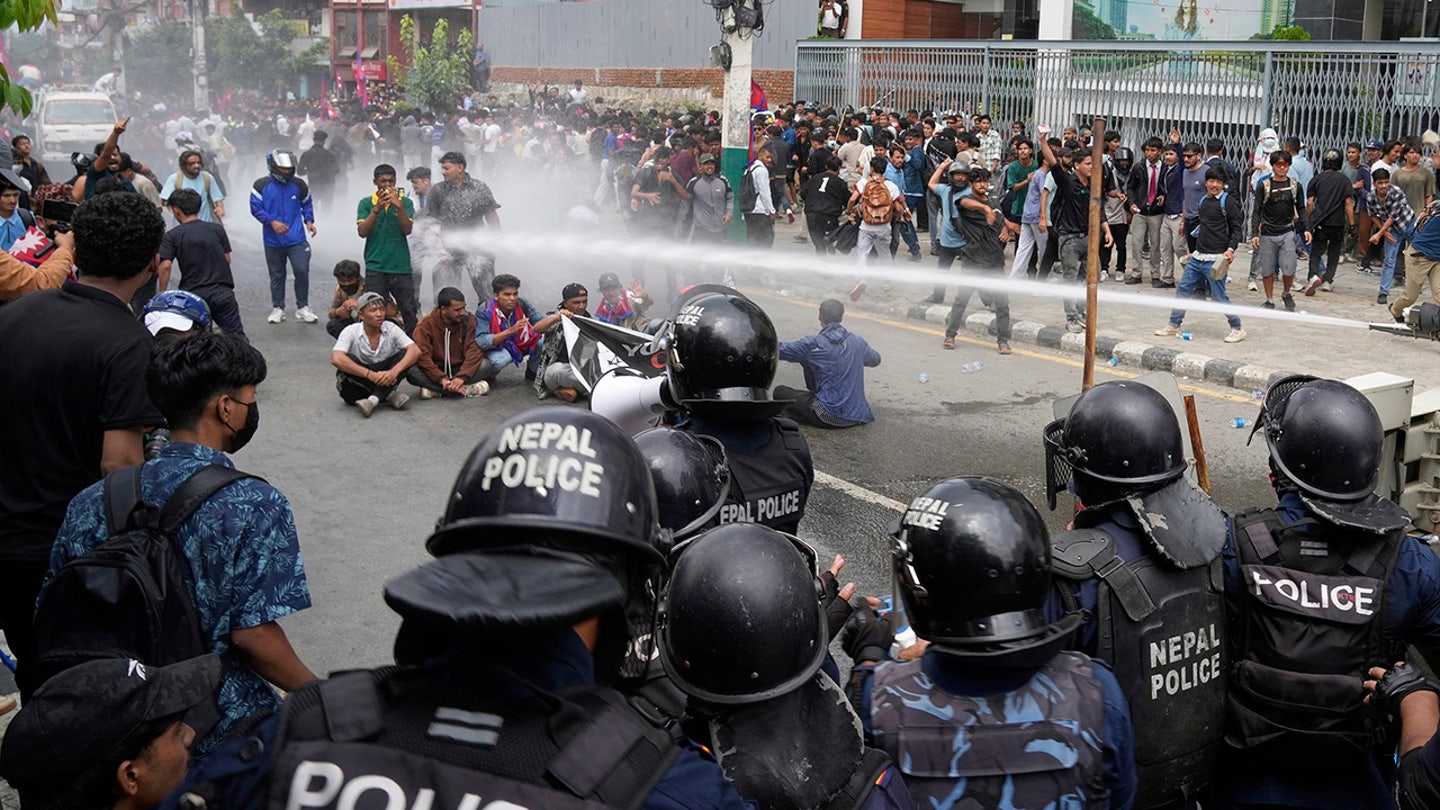
Observers link Bulgaria’s unrest to a broader wave of youth‑driven protests in 2025. Similar Gen Z‑led movements have emerged in South Asia, where economic pressures have sparked demonstrations. Reports from Nepal, for instance, highlight significant economic impacts tied to youth activism, underscoring the global nature of this generational push for reform.
About the Author